Office Cleaning in Modern Workspaces: How a Cleaner Office Supports Health, Productivity, and Professionalism
Why Office Cleaning Matters in Today’s Workplace
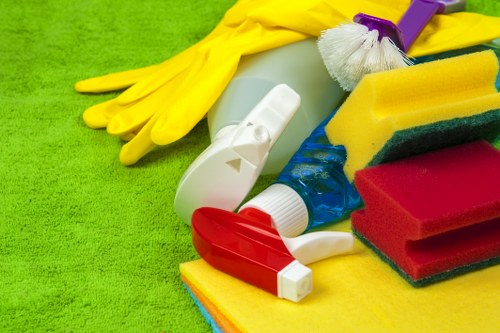
Office cleaning is no longer just about making desks look tidy. In modern work environments, it plays a direct role in employee wellness, workplace morale, brand perception, and even day-to-day performance. Whether you manage a small startup, a busy corporate floor, a coworking hub, or a professional service office, keeping the space clean is essential for creating a setting where people can do their best work.
A clean office also sends a strong message to clients and visitors. When someone walks into an organized reception area, fresh meeting room, and sanitized shared space, they immediately associate the business with care, reliability, and attention to detail. That first impression matters, and office cleaning helps shape it every single day.
Beyond appearances, regular office cleaning reduces dust buildup, minimizes germs, improves air quality, and helps maintain surfaces and equipment for longer. In other words, professional office cleaning is both a practical investment and a strategic one.
What Office Cleaning Typically Includes
Office cleaning services can be customized to match the size, layout, and needs of a workplace. A strong office cleaning plan usually includes routine tasks, periodic deep cleaning, and special attention to high-touch areas that collect bacteria and dirt quickly.
Standard office cleaning often covers workstations, floors, restrooms, kitchens, break rooms, conference rooms, entryways, and communal spaces. Depending on the business, it may also include window cleaning, upholstery care, trash removal, and sanitizing shared equipment.
Many businesses choose a mix of daily and weekly cleaning tasks to keep the environment consistently neat. This approach ensures that essential areas stay hygienic while deeper tasks are scheduled without disrupting operations.
Common Office Cleaning Tasks
- Dusting desks, shelves, monitors, and fixtures
- Vacuuming carpets and mopping hard floors
- Emptying waste bins and recycling containers
- Cleaning and disinfecting restrooms
- Wiping down keyboards, door handles, and light switches
- Sanitizing kitchens, countertops, sinks, and appliances
- Cleaning glass surfaces and entry doors
The Benefits of Professional Office Cleaning
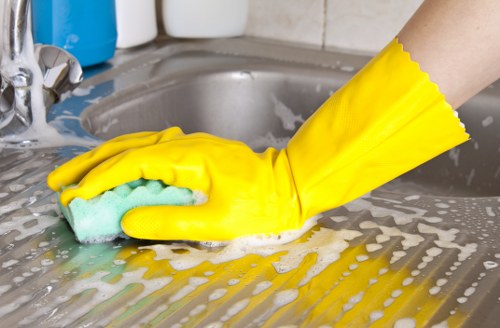
There are many reasons businesses invest in office cleaning, but the most important benefits go far beyond appearance. A properly maintained workplace supports the people who use it every day and helps the business operate more smoothly.
1. Healthier employees: Office spaces can quickly become breeding grounds for germs, especially in shared kitchens, restrooms, and meeting rooms. Routine cleaning helps reduce the spread of illness, which can lower absenteeism and support a healthier team.
2. Better productivity: People tend to work more efficiently in organized, clutter-free spaces. A clean office reduces distractions and creates a calmer atmosphere where focus comes more naturally.
More Advantages That Matter
3. Stronger professional image: Clients, partners, and candidates notice whether an office looks cared for. A spotless space communicates professionalism and builds trust before a single conversation begins.
4. Longer-lasting assets: Dust, grime, and spills can wear down carpets, furniture, fixtures, and electronics over time. Regular office cleaning helps protect these investments and can extend their useful life.
5. Better employee satisfaction: People generally feel more comfortable, valued, and motivated in clean surroundings. A well-maintained office contributes to a positive workplace culture and supports retention.
How Office Cleaning Supports Daily Operations
Efficient office cleaning contributes to smoother operations in ways that are sometimes overlooked. When floors are safe, restrooms are stocked, trash is managed, and common areas are fresh, employees can move through the day with fewer interruptions.
Instead of dealing with unpleasant odors, sticky surfaces, or cluttered spaces, staff can remain focused on the tasks that generate value for the business. Clean facilities also reduce the need for emergency cleanups and unplanned maintenance.
Office Cleaning and Workplace Health
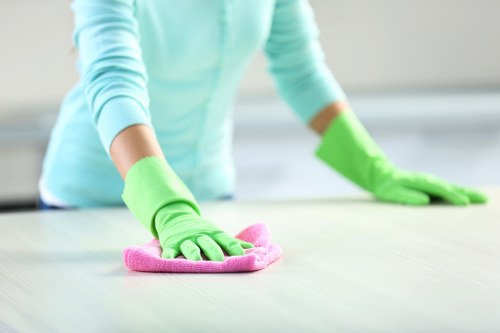
One of the strongest reasons to prioritize office cleaning is workplace health. Offices contain many shared surfaces and frequent touchpoints, making them a natural place for dirt, allergens, and bacteria to accumulate. Even in a well-managed building, germs can spread easily through handles, desks, buttons, and communal areas.
A consistent cleaning routine helps address these concerns. Disinfecting high-contact areas, removing dust, and keeping restrooms sanitary all contribute to a safer environment. Many businesses also benefit from added focus on ventilation, floor care, and waste management as part of a broader hygiene strategy.
For employees with allergies or sensitivities, clean spaces can make a noticeable difference. Dust control, vacuuming, and careful surface cleaning can help reduce irritation and create a more comfortable workplace for everyone.
High-Touch Areas to Prioritize
- Door handles and push plates
- Light switches and elevator buttons
- Shared desks and conference tables
- Kitchen appliances and sink fixtures
- Printer controls and copiers
- Restroom surfaces and flush mechanisms
Choosing the Right Office Cleaning Approach
Not every workplace needs the same cleaning routine. The right office cleaning approach depends on factors such as office size, foot traffic, industry, layout, and the type of work being performed. A financial firm, for example, may need a different plan than a creative studio or medical-adjacent office.
Some offices only require basic daily upkeep, while others need recurring deep cleaning or enhanced sanitization due to heavy traffic. The most effective plan is usually one that is flexible, consistent, and tailored to the space rather than based on a one-size-fits-all model.
When evaluating cleaning needs, businesses should think about how often areas are used, which spaces are most visible to guests, and which surfaces are most prone to buildup. That perspective helps create a smarter and more efficient cleaning schedule.
Questions to Ask Before Setting a Cleaning Plan
- How many employees use the space each day?
- Which areas receive the most traffic?
- Are there shared kitchens or break rooms?
- How often do visitors or clients come in?
- Are there carpeted areas or hard flooring?
- Does the office require after-hours service?
Daily, Weekly, and Monthly Cleaning Priorities
A well-planned office cleaning schedule usually divides responsibilities into daily, weekly, and monthly tasks. This keeps the office consistently presentable while ensuring deeper cleaning tasks are not neglected.
Daily tasks often include wiping down surfaces, sanitizing restrooms, emptying bins, and cleaning shared areas. These are the tasks that keep the office functional and fresh on a day-to-day basis.
Weekly tasks may include vacuuming upholstered furniture, cleaning glass doors, detailing kitchen appliances, and disinfecting less obvious surfaces. Weekly attention is especially useful for preventing buildup in busy environments.
Examples of Monthly Office Cleaning Tasks
- Deep cleaning carpets and rugs
- Washing interior windows
- Cleaning vents and baseboards
- Detailing office chairs and upholstery
- Polishing hard floors
- Disinfecting storage areas
Monthly cleaning helps restore the office to a higher standard and prevents long-term wear. It is especially useful in areas that may look clean at a glance but accumulate dust and grime over time.
Office Cleaning for Different Types of Workplaces
Every office has its own rhythm, and office cleaning should reflect that. A compact workspace with five employees has very different needs from a large multi-floor headquarters. Understanding these differences helps businesses create cleaning routines that are both practical and cost-effective.
Small offices often benefit from simple but consistent routines. Because there are fewer people, it may be easier to maintain order, but shared surfaces still need regular cleaning. Reception areas, kitchenettes, and bathrooms remain top priorities.
Large offices typically require more detailed planning. Multiple teams, meeting rooms, restrooms, and communal zones can create higher cleaning demands. In these settings, coordination and scheduling become especially important.
Industry-Specific Considerations
- Corporate offices: Focus on appearance, guest areas, and shared meeting rooms
- Creative agencies: Balance cleanliness with flexible, collaborative work areas
- Legal and financial offices: Emphasize professionalism and confidentiality-friendly routines
- Tech companies: Prioritize electronics-safe cleaning and clutter control
- Medical-adjacent offices: Require stronger sanitation and attention to hygiene
Eco-Friendly Office Cleaning Practices
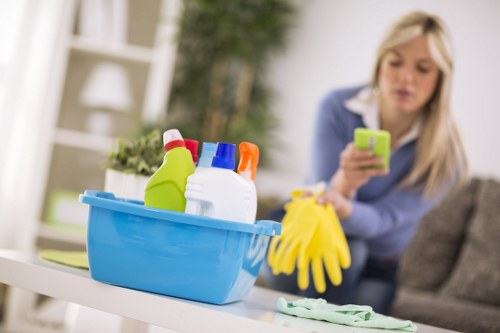
Many businesses now prefer environmentally responsible office cleaning methods. Eco-friendly cleaning can reduce exposure to harsh chemicals while supporting a healthier office atmosphere. It also aligns with broader sustainability goals that many organizations already value.
Green cleaning often includes biodegradable products, microfiber cloths, refillable containers, and water-conscious methods. These choices can be effective without sacrificing cleanliness, especially when used by trained staff who understand how to match products with different surfaces.
In addition to products, sustainable office cleaning can involve better waste sorting, reduced paper usage in cleaning routines, and more efficient scheduling to minimize energy consumption. Small changes like these can add up over time.
Benefits of Eco-Friendly Cleaning
- Less chemical exposure for employees and visitors
- Reduced environmental impact
- Improved indoor air quality
- Safer routines for sensitive work environments
- Positive alignment with sustainability values
How to Maintain a Cleaner Office Between Professional Visits
Even if professional office cleaning is scheduled regularly, small daily habits can help keep the workplace looking its best between visits. The goal is not to replace professional cleaning, but to support it with smart habits that prevent mess from building up too quickly.
Employees can play a simple role by clearing personal items, wiping spills quickly, and keeping shared spaces tidy after use. When everyone understands that cleanliness is a shared responsibility, the office stays more organized and easier to maintain.
Managers can also help by providing clear storage areas, accessible waste bins, sanitizer stations, and simple cleaning supplies for quick touch-ups. These supports make it easier for people to maintain standards without disrupting workflow.
Practical Office Habits That Help
- Clear desks at the end of each day
- Wash dishes or place them in designated areas
- Wipe up spills immediately
- Keep cables, papers, and supplies organized
- Dispose of trash before bins overflow
- Encourage respectful shared-space use
What to Look for in an Office Cleaning Service
When choosing an office cleaning provider, businesses should look beyond price alone. The most effective services are reliable, consistent, and adaptable to changing office needs. A cleaner should understand how to work efficiently in a professional setting while respecting privacy, schedules, and workplace routines.
Experience matters, but so does communication. A strong service provider should be able to explain what is included, how often tasks are completed, and how special requests are handled. Clarity helps prevent misunderstandings and ensures the office receives the level of care it expects.
Businesses should also consider whether the service uses trained staff, safe products, and appropriate equipment for different surfaces. Carpets, glass, stainless steel, electronics, and restrooms all require different methods, and a quality provider should know how to handle each one properly.
Key Qualities to Prioritize
- Consistency and reliability
- Flexible scheduling options
- Attention to detail
- Proper training and safety awareness
- Use of suitable cleaning products
- Clear service expectations
Office Cleaning and Business Growth
It may not be the first thing that comes to mind when thinking about business growth, but office cleaning can support expansion in meaningful ways. As organizations grow, they often welcome more employees, clients, and visitors into the same space. That makes it even more important for the office to remain clean, orderly, and ready for increased use.
A strong cleaning standard helps businesses scale with confidence. New hires enter a workplace that feels polished and organized. Clients see a company that values details. Teams work in an environment that supports focus and professionalism. These impressions can shape how people view the organization as a whole.
In this sense, office cleaning is not just a maintenance task. It is part of the infrastructure that supports business image, employee satisfaction, and operational efficiency. For that reason, many businesses see it as a smart long-term investment rather than a simple expense.
Why Clean Offices Support Better Outcomes
Clean spaces make it easier to:
- Welcome clients confidently
- Retain employees with a more pleasant work environment
- Reduce disruptions caused by clutter or mess
- Protect furniture and fixtures from premature damage
- Maintain a consistent brand image
Book your service now if your workplace is ready for a higher standard of care.
Final Thoughts on Office Cleaning in Modern Workspaces
Office cleaning plays a much bigger role than many people realize. It affects health, productivity, professionalism, and even how a business is perceived by employees and visitors. A well-cleaned office helps create an environment where people can concentrate, collaborate, and feel comfortable throughout the workday.
Whether your company needs daily upkeep, recurring deep cleaning, or support with specific high-traffic areas, the right office cleaning routine can make a lasting difference. By investing in cleanliness, businesses invest in the people and processes that drive success.
If your workplace is ready to improve standards, reduce clutter, and present a sharper professional image, now is the time to act. Contact us today to take the next step toward a cleaner, healthier office environment.