House Cleaning in a Modern Home: Practical Tips, Smart Routines, and Lasting Results
House cleaning is more than a quick tidy-up before guests arrive. It is the foundation of a healthier, more comfortable, and better organized living space. Whether you live in a busy family home, a small apartment, or a larger property that needs regular upkeep, house cleaning plays a major role in how your space looks, feels, and functions. A clean home can reduce stress, improve indoor air quality, and make everyday life easier.
For many people, house cleaning can feel overwhelming because tasks build up quickly. Dust settles, floors gather debris, kitchens collect grease, and bathrooms demand frequent attention. The good news is that effective house cleaning does not have to be complicated. With the right strategy, a clear routine, and a focus on the most important areas, you can keep your home fresh without spending every spare minute scrubbing.
In this article, we will explore practical approaches to house cleaning, the benefits of professional-level standards, room-by-room cleaning priorities, and smart habits that make upkeep easier over time. If you are looking for ways to improve your home cleaning routine or want to understand what makes a space truly clean, this article will help you get started.
Why House Cleaning Matters for Every Home
House cleaning supports more than appearance. It directly affects the atmosphere of a home and the well-being of the people living in it. A home that is cleaned regularly tends to feel calmer, more inviting, and easier to manage. Even small cleaning tasks, when done consistently, can create a big difference over time.
One of the biggest benefits of regular house cleaning is improved hygiene. Bathrooms, kitchens, and high-touch surfaces can quickly collect germs, bacteria, and grime. By keeping these areas clean, you reduce the spread of contaminants and make your home safer for family members and visitors. This is especially important in homes with children, elderly residents, or pets.
Another major benefit is stress reduction. Clutter and dirt can make a home feel chaotic, while a tidy environment supports a sense of control and peace. Many people find that a clean home improves productivity, helps them relax more easily, and makes daily routines smoother. House cleaning is not just a chore; it is a practical form of self-care for your living space.
Creating a House Cleaning Routine That Works
Start with Simple Priorities
The best house cleaning routine is one that fits your lifestyle. If a routine is too complicated, it becomes hard to maintain. Start by identifying the rooms and tasks that need attention most often. In many homes, this includes the kitchen, bathrooms, floors, and dust-prone surfaces. Focusing on these priorities keeps cleaning manageable and prevents dirt from building up.
A useful approach is to break tasks into daily, weekly, and monthly categories. Daily chores may include wiping counters, washing dishes, sweeping high-traffic areas, and making beds. Weekly tasks often involve vacuuming, mopping, cleaning bathrooms, and dusting furniture. Monthly tasks might include washing windows, cleaning baseboards, and tackling hidden corners.
This method helps you avoid the feeling that house cleaning must be done all at once. Instead, you create a steady rhythm that keeps your home consistently presentable. A structured routine also makes it easier to spot problem areas before they become harder to clean.
A Practical Daily Cleaning List
- Put away clutter from shared spaces
- Wipe kitchen counters and dining surfaces
- Load or unload the dishwasher
- Sweep crumbs or visible debris from floors
- Quickly freshen bathrooms and sinks
Room-by-Room House Cleaning Tips
Different rooms need different types of attention, and understanding those differences can make house cleaning more effective. Instead of cleaning every room the same way, focus on the specific surfaces, materials, and problem areas found in each space. This approach saves time and improves results.
In the kitchen, grease, spills, and food residue are the main concerns. Clean countertops, sink basins, stovetops, appliance exteriors, and cabinet handles. Floors should be swept or vacuumed frequently because crumbs and spills can attract pests. A clean kitchen is one of the clearest signs of proper house cleaning.
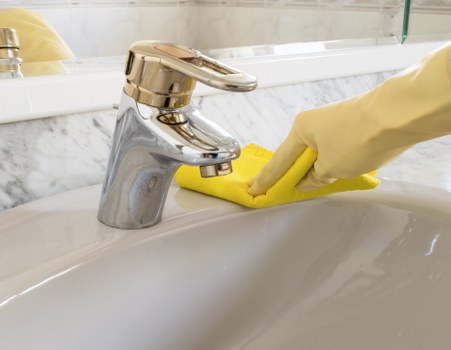
Bathrooms require careful attention to sinks, toilets, tubs, showers, mirrors, and floors. Moisture can encourage soap scum, mildew, and odors, so regular cleaning is essential. Using the right products and allowing surfaces to dry properly can make bathroom maintenance easier and more sanitary.
Living Areas and Bedrooms
Living rooms and bedrooms often accumulate dust, clutter, and soft-surface debris. Vacuum carpets, clean upholstery, dust shelves, and organize items that collect on tables and nightstands. These rooms may not get as dirty as kitchens or bathrooms, but they still benefit from regular house cleaning because they affect the overall comfort of your home.
Choosing the Right House Cleaning Products
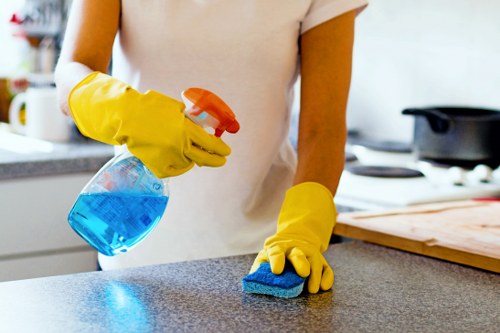
Effective house cleaning depends not only on effort but also on using the right products. Different surfaces respond better to different cleaners, and choosing suitable supplies can help you clean more efficiently while protecting your home. For example, wood surfaces, tile, glass, stainless steel, and fabric all require different care.
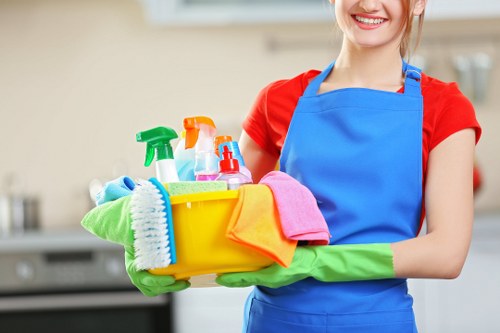
Many homeowners prefer to keep a simple cleaning kit with essentials such as microfiber cloths, all-purpose cleaner, disinfecting wipes, glass cleaner, a scrub brush, a mop, a vacuum, and rubber gloves. Having these items ready means you can handle messes quickly without searching for supplies. A well-stocked cleaning kit makes house cleaning feel much easier.
It is also important to read labels and follow instructions carefully. Some products work best when left on surfaces for a short period, while others should be wiped away right away. Mixing cleaning chemicals can be dangerous, so safe usage is always a priority. Smart product selection helps you clean more effectively and protects both your home and your health.
Helpful Product Categories
- All-purpose cleaners for counters and surfaces
- Disinfectants for high-touch areas
- Glass cleaners for mirrors and windows
- Specialty cleaners for tile, wood, or stainless steel
- Odor control products for freshening indoor spaces
House Cleaning Habits That Save Time
One of the smartest ways to handle house cleaning is to build habits that prevent messes from getting out of control. Small actions performed consistently are often more effective than occasional deep cleaning marathons. If you spend a few minutes each day staying ahead of clutter, your home will be much easier to maintain.
For example, cleaning as you cook can reduce the amount of work left for later. Wiping spills immediately prevents stains from setting in. Putting items back in their place after use stops clutter from spreading across rooms. These habits may seem minor, but they create a strong cleaning foundation.
Another helpful habit is the “one-touch” approach, where you handle an item once and put it away instead of moving it from place to place. This reduces surface clutter and makes routine house cleaning faster. When every household member contributes to these habits, upkeep becomes a shared responsibility rather than a burden on one person.
Easy Habits to Adopt
- Make the bed each morning
- Do a quick evening reset of living spaces
- Clean spills immediately
- Empty trash bins before they overflow
- Sort mail and paper clutter regularly
Deep House Cleaning for a Fresher Home
While regular upkeep keeps a home looking tidy, deep house cleaning targets the dirt and buildup that often goes unnoticed. This includes areas behind furniture, inside appliances, around baseboards, under sinks, and in other hidden spaces. Deep cleaning is especially valuable when seasons change, before events, or after long periods of heavy use.
Deep house cleaning usually takes longer because it addresses places that are not part of a daily or weekly routine. Tasks may include washing walls, cleaning vents, scrubbing grout, sanitizing trash bins, and organizing storage spaces. These jobs can make a dramatic difference in how fresh and clean the home feels.
Even if you prefer to outsource some of your regular cleaning, deep cleaning remains important because it resets the home and helps maintain a healthier indoor environment. Thorough house cleaning supports better air quality, reduces dust buildup, and keeps neglected areas from becoming long-term problems.
Common Deep Cleaning Tasks
- Move furniture and clean underneath it
- Wipe ceiling fans and light fixtures
- Scrub tile grout and bathroom corners
- Clean appliance interiors and exteriors
- Wash windows, tracks, and sills
Benefits of Professional House Cleaning Standards
Even if you clean your own home, it helps to think in terms of professional standards. Professional house cleaning is known for consistency, attention to detail, and efficient methods. Applying those principles at home can improve your results, save time, and make your routine feel more purposeful.
Professional-level cleaning often begins with a clear plan. Cleaners typically work from top to bottom and from one side of a room to another, so dust and debris fall into areas that will be cleaned later. This prevents unnecessary repeat work and helps ensure that no surfaces are missed. Using a similar method at home makes house cleaning more logical and efficient.
Another professional habit is focusing on detail. Many people clean the most visible areas but overlook edges, handles, switches, and corners. Paying attention to those details creates a more polished finish and contributes to a better overall impression. When your home is cleaned with care, the difference is immediately noticeable.
Professional Cleaning Mindset
- Work from top to bottom
- Clean one room at a time
- Use the right product for each surface
- Focus on high-touch areas first
- Finish with floors last
House Cleaning and Indoor Air Quality
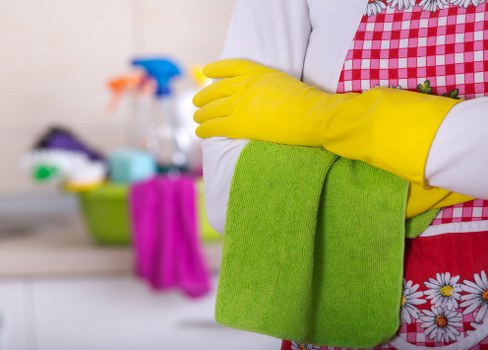
House cleaning has a direct connection to indoor air quality. Dust, pet dander, pollen, and other particles can build up in carpets, curtains, furniture, and vents. When these particles accumulate, they may affect how the air feels and how comfortable your home is to live in. Regular cleaning can reduce this buildup and improve freshness.
Vacuuming with a good filter, dusting with microfiber cloths, and washing soft surfaces can all help reduce airborne particles. It is also useful to keep windows and vents clean, since these areas can collect dirt over time. If anyone in the home is sensitive to allergens, regular house cleaning becomes even more important.
Fresh indoor air is not just about removing dust. It also involves controlling odors from trash, food, moisture, and clutter. A clean home smells better naturally, and that can make a big difference in how inviting the space feels. Proper ventilation combined with regular house cleaning supports a more comfortable environment.
Air-Quality-Friendly Cleaning Tips
- Vacuum carpets and rugs often
- Dust shelves, blinds, and ceiling fans
- Replace or clean HVAC filters as recommended
- Keep trash areas clean and covered
- Use gentle, low-residue products when possible
House Cleaning in Busy Households
Busy households often struggle to stay on top of cleaning because schedules are packed. Between work, school, travel, meals, and family activities, it is easy for chores to fall behind. However, busy homes can still maintain a clean and comfortable environment with the right strategy.
The key is to make house cleaning realistic. Instead of aiming for perfection every day, focus on consistency and shared responsibility. Assign small tasks to family members based on age and ability. Even simple contributions like putting away toys, wiping a table, or carrying laundry can make a noticeable difference.
It also helps to use time-saving tools and shortcuts. For example, keeping cleaning wipes in bathrooms, using a cordless vacuum for quick pickups, or setting a ten-minute evening reset can all reduce mess before it spreads. In a busy home, house cleaning works best when it becomes part of the routine rather than an occasional event.
Time-Saving Strategies
- Set a timer for short cleaning bursts
- Use baskets to gather clutter quickly
- Assign zone-based chores to family members
- Keep supplies in convenient locations
- Clean high-traffic spaces more often than low-use areas
When to Consider Extra Help for House Cleaning
There are times when routine cleaning is not enough, especially after renovations, large gatherings, seasonal changes, or long periods of neglect. In those situations, extra help can be valuable. Some homeowners choose to handle the work themselves, while others prefer outside assistance for difficult or time-consuming tasks.
Extra help may be useful if your schedule leaves very little time for detailed cleaning, if certain areas of the home have become hard to manage, or if you simply want a fresh start. The goal is not just to make the house look better but to create a home that supports your lifestyle. House cleaning should make life easier, not more stressful.
Whether you clean on your own or combine personal effort with outside support, the important thing is maintaining a steady standard. A home that is cared for regularly will always be easier to keep in shape than one that is cleaned only when problems become obvious.
Signs You Need a Deeper Reset
- Dust and grime return quickly after cleaning
- Clutter is affecting daily movement or storage
- Bathrooms or kitchens have persistent buildup
- Allergies or odors seem worse indoors
- You have not had time for detailed cleaning in weeks
How to Keep House Cleaning Consistent All Year
Consistency is what turns house cleaning from a stressful task into a manageable routine. A home changes with the seasons, so your cleaning approach should adapt as well. In spring, you may focus on freshening rooms and reducing dust. In summer, you may deal with more foot traffic and outdoor debris. In autumn, leaves and dirt can enter the home more easily. In winter, closed windows and indoor activity may make dust and odors more noticeable.
Creating a flexible plan for the year helps you stay ahead of changing needs. This might mean scheduling deeper tasks once each season, such as washing curtains, rotating mattresses, or clearing storage spaces. Small seasonal adjustments can keep house cleaning effective without requiring a complete overhaul every time conditions change.
The most successful homes are not necessarily the ones that are cleaned perfectly once in a while. They are the homes that are maintained steadily with care and attention. If you build a routine that fits your space, your schedule, and your standards, house cleaning becomes a practical part of everyday living.
Final Thoughts on a Cleaner Home
A clean home supports comfort, health, and peace of mind. By focusing on daily habits, room-specific tasks, smart product choices, and seasonal upkeep, you can create a home environment that feels organized and inviting. Whether you handle everything yourself or decide to contact us today for extra support, the goal remains the same: a cleaner, fresher, more enjoyable home.
If you are ready to improve your routine and keep your space looking its best, book your service now and take the next step toward easier, more effective house cleaning.