End of Tenancy Cleaning: A Complete Property-Ready Approach for Tenants and Landlords
What End of Tenancy Cleaning Really Means
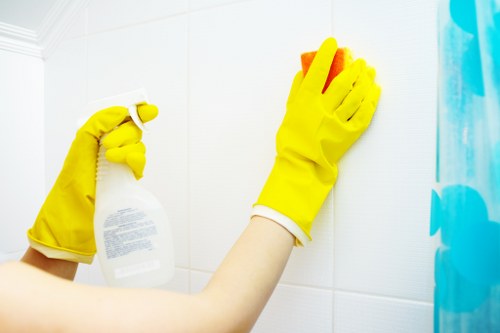
End of tenancy cleaning is the deep, detailed cleaning carried out when a tenant is preparing to leave a rented property. It is designed to return the home to a condition that meets tenancy agreement expectations and supports a smooth handover between occupants. Unlike regular housekeeping, end of tenancy cleaning focuses on every visible and hard-to-reach area, from skirting boards to inside kitchen appliances.
This type of service matters because it helps reduce disputes, protects deposits, and leaves a strong first impression for the next tenant or the landlord’s inspection. Many rental agreements mention that the property must be returned in a “professionally cleaned” condition, which is why end of tenancy cleaning often becomes a priority at move-out time.
Whether you are a tenant hoping to secure your full deposit or a landlord preparing the property for re-letting, professional end of tenancy cleaning can save time, stress, and additional costs. It is one of the most effective ways to ensure a rental property is handed back in excellent condition.
Why End of Tenancy Cleaning Is So Important

When a tenancy ends, expectations are usually higher than for day-to-day cleaning. A quick surface wipe is not enough. End of tenancy cleaning addresses built-up grime, grease, limescale, dust, and hidden dirt that may have accumulated over months or years. The goal is to bring the property as close as possible to its original condition, minus normal wear and tear.
For tenants, the main benefit is financial. Deposit deductions are often linked to cleaning issues, so a thorough move-out clean can reduce the risk of losing money unnecessarily. For landlords and letting agents, a properly cleaned property is easier to market and show to prospective tenants. It can even shorten vacancy periods.
There is also a practical side. Deep cleaning during the moving process helps identify damage, missing items, or maintenance concerns before keys are returned. That makes end of tenancy cleaning part of a smooth and organised property transition.
What Is Included in End of Tenancy Cleaning?
A professional end of tenancy cleaning service usually covers every room and all major fixtures. The exact checklist may vary, but most services include a full top-to-bottom clean that goes far beyond standard domestic cleaning.
Typical areas covered
- Kitchen deep cleaning, including cupboards, worktops, splashbacks, sinks, ovens, hobs, and extractor fans
- Bathroom sanitising, including toilets, showers, baths, tiles, mirrors, and fittings
- Living room and bedroom dusting, vacuuming, and skirting board cleaning
- Internal window cleaning and window frame wiping
- Door cleaning, handles, switches, and reachable fixtures
- Floor care, including vacuuming, mopping, and stain removal where possible
- Removal of cobwebs, dust, and surface residue
- Interior cupboard and drawer cleaning
Some providers also include appliance cleaning, upholstery vacuuming, and specialist stain treatment as part of a tailored package. If the property has carpets, additional carpet cleaning may be recommended to help achieve the best possible result.
How End of Tenancy Cleaning Differs from Regular Cleaning
Depth, detail, and inspection readiness
Regular weekly cleaning is about maintaining a tidy home. End of tenancy cleaning, however, is about restoring the property to a much higher standard. It is more detailed, more time-consuming, and usually more structured. The emphasis is on areas that often get missed during normal routines, such as behind appliances, inside cabinets, and along edges where dirt tends to gather.
Another major difference is the purpose. Standard cleaning keeps a space pleasant to live in. End of tenancy cleaning prepares a property for inspection and handover. The cleaning process must therefore be more methodical and results-driven, often using professional-grade equipment and products.
This is why many tenants choose to hire experts rather than attempt the work alone. While DIY cleaning can help, a trained team usually understands the level of detail expected by landlords and letting agents, making end of tenancy cleaning far more reliable.
Key differences at a glance
- Regular cleaning maintains; end of tenancy cleaning restores
- Regular cleaning is routine; end of tenancy cleaning is inspection-focused
- Regular cleaning is lighter; end of tenancy cleaning is deep and intensive
- Regular cleaning is ongoing; end of tenancy cleaning happens at move-out
Areas Tenants Often Forget During Move-Out Cleaning

Even careful tenants can miss a few details when moving out. Packing, organising removals, and changing addresses take up a lot of energy, and it is easy for some cleaning tasks to slip through the cracks. That is where a structured end of tenancy cleaning plan becomes valuable.
Commonly forgotten areas include the tops of cupboards, behind radiators, under beds, light fittings, and the inside of ovens. Window tracks, extractor fans, and limescale around taps are also often overlooked. These small details can create an impression that the property was not properly cleaned, even if the rest of the home looks tidy.
Landlords and agents often inspect these spots first because they reveal how thorough the cleaning has been. By addressing these neglected areas, you improve the chances of a positive inspection outcome and reduce the risk of deductions related to move-out cleaning.
Frequently missed cleaning zones
- Behind and underneath large furniture
- Inside kitchen appliances
- Window tracks and frames
- Extractor fans and vents
- Skirting boards and door edges
- Light switches, sockets, and handles
Benefits of Hiring a Professional End of Tenancy Cleaning Service
Hiring experts for end of tenancy cleaning offers several clear advantages. The biggest one is consistency. Professional cleaners follow a checklist, use suitable products, and understand the standards usually expected during tenancy inspections. This can make the difference between an average result and a property that looks move-in ready.
Another benefit is time savings. Moving house is already stressful, and cleaning an entire property properly can take many hours, especially if the kitchen and bathrooms need intensive work. A professional end of tenancy cleaning service allows tenants to focus on removals, paperwork, and settling into their new home.
There is also the benefit of equipment. Professionals often use specialist tools, steam cleaners, degreasers, and descaling products that are more effective than general household supplies. That can improve the final finish and help deal with stubborn marks, heavy grease, or long-term limescale buildup.
Top reasons people choose professionals
- Higher cleaning standards
- Reduced stress during moving
- Better chance of deposit return
- Access to specialist cleaning equipment
- Time-efficient and structured process
Preparing for End of Tenancy Cleaning
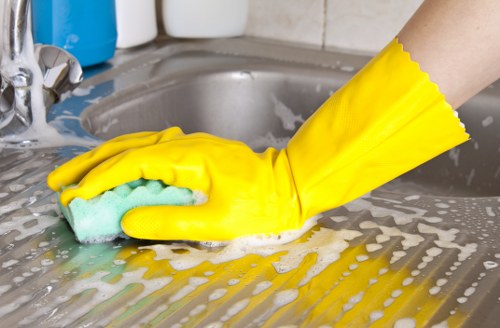
Good preparation makes end of tenancy cleaning much more effective. Before cleaning begins, the property should be emptied as much as possible. Removing personal items, rubbish, and unpacked boxes gives cleaners better access to surfaces and hidden corners.
It also helps to check the tenancy agreement for any specific cleaning requirements. Some landlords expect carpets to be professionally cleaned, while others may require oven cleaning or garden tidying. Knowing these details early helps avoid surprises later and ensures the move-out clean matches expectations.
If you are handling the work yourself, assemble the right tools in advance. Microfibre cloths, sponges, a vacuum cleaner, mop, limescale remover, glass cleaner, degreaser, and bathroom sanitiser are all useful. Planning ahead saves time and keeps the process organised.
Simple preparation checklist
- Remove all personal belongings
- Dispose of rubbish and unwanted items
- Defrost the fridge and freezer if needed
- Check for tenancy-specific cleaning clauses
- Gather cleaning products and equipment
- Allow access to all rooms, cupboards, and storage areas
Room-by-Room End of Tenancy Cleaning Focus
Kitchen
The kitchen is usually the most demanding part of end of tenancy cleaning. Grease, food residue, and appliance buildup require careful attention. Clean all cabinet interiors and exteriors, remove grease from surfaces, and pay special attention to the oven, hob, and extractor fan.
Worktops, sinks, taps, tiles, and splashbacks should be scrubbed until they look fresh and hygienic. Don’t forget the fridge, freezer, microwave, and dishwasher if they are part of the tenancy. A spotless kitchen can dramatically improve the overall impression of the property.
Bathroom
Bathrooms require a focus on hygiene and shine. End of tenancy cleaning in bathrooms usually includes descaling taps, polishing mirrors, cleaning grout, sanitising toilets, and removing soap scum from showers and baths. Limescale around fixtures is a common reason for complaints, so this area deserves extra attention.
Ventilation fans, shower screens, towel rails, and cabinets should also be cleaned. The aim is to leave the bathroom looking fresh, sanitised, and ready for use by the next occupant.
Living Rooms, Bedrooms, and Hallways

Although living spaces may not be as greasy as kitchens or bathrooms, they still matter a great deal in end of tenancy cleaning. Dust on shelves, fingerprints on switches, marks on doors, and dirt along skirting boards can easily stand out during inspection. Thorough dusting and vacuuming are essential.
Bedrooms should be checked for wardrobe interiors, under-bed spaces, and wardrobes or drawers left behind by previous occupants. Hallways and entryways often collect scuff marks and mud, so floors and walls need a close look. These are the spaces that create the first and last impression of the property.
Windows, mirrors, and any glass surfaces should be polished to remove streaks. Clean, bright rooms help the property feel more welcoming and demonstrate that the tenancy ended in good order.
Room-by-room priorities
- Remove dust from high and low surfaces
- Clean doors, handles, and light switches
- Vacuum carpets and edges thoroughly
- Check behind furniture where possible
- Polish glass and reflective surfaces
Should You Do It Yourself or Hire a Cleaner?
This is one of the biggest decisions tenants face. DIY end of tenancy cleaning can be cheaper, especially if the property is small and already well maintained. If you have the time, energy, and equipment, it can be a workable option. However, the work must be done carefully and to a high standard to avoid inspection issues.
Hiring professionals is usually better when the property is large, heavily used, or short on time. A professional end of tenancy cleaning team knows what to prioritise and can complete the job more efficiently. For many tenants, the convenience alone makes it worthwhile.
A balanced approach can also work well. Some tenants clean smaller areas themselves and hire professionals for more difficult tasks such as oven cleaning, bathroom descaling, or carpet care. This hybrid approach can be cost-effective while still delivering a high-quality result.
Consider DIY if:
- The property is small
- You have enough time before the handover
- You already own the right equipment
- The tenancy requirements are straightforward
Consider professionals if:
- You are moving under time pressure
- The property has heavy dirt or grease buildup
- You want a higher standard of finish
- You need help with specialist tasks
How to Make End of Tenancy Cleaning More Effective
To get the best results from end of tenancy cleaning, timing matters. Clean after all furniture and belongings have been removed so that every surface can be reached. Start from the top of the room and work downward to prevent dust from falling onto already cleaned areas.
Use the right products for the right surfaces. For example, use a suitable degreaser on kitchen grease, a limescale remover in bathrooms, and a glass cleaner for mirrors and windows. Always check labels before using chemicals on delicate materials. Being methodical helps avoid damage and improves the final result.
It is also a good idea to take photographs once the cleaning is finished. Pictures can help provide evidence of the property’s condition at the end of the tenancy. This can be useful if there is any disagreement later about cleanliness or handover standards.
Helpful final steps
- Double-check hidden corners and hard-to-reach spaces
- Open cupboards and drawers to confirm they are clean inside
- Inspect floors for missed dust or stains
- Make sure bins are empty and clean
- Review the property in daylight if possible
Common Mistakes to Avoid
One common mistake in end of tenancy cleaning is rushing the process. Moving day is busy, but incomplete cleaning can lead to avoidable deductions. Another mistake is focusing only on visible surfaces while ignoring hidden areas such as behind appliances or under sinks.
Using the wrong products is another issue. Harsh chemicals can damage surfaces, while weak cleaners may not remove stubborn dirt. It is worth using targeted products and giving them time to work. Many cleaning problems are not about effort alone, but about the right method.
Finally, some people forget to read the tenancy agreement carefully. If certain items are expected to be cleaned professionally, overlooking that requirement can create problems. A careful approach to end of tenancy cleaning reduces the chance of surprises and supports a smoother exit from the property.
End of Tenancy Cleaning for Landlords and Letting Agents
Landlords and letting agents also benefit from reliable end of tenancy cleaning. A well-cleaned property photographs better, shows better, and usually attracts interest faster. In a competitive rental market, presentation matters. Clean properties feel cared for and can command stronger tenant interest.
Professional cleaning also helps standardise turnover between tenancies. Rather than relying on different tenants to clean to different standards, landlords can set a consistent expectation for property readiness. That makes inspections simpler and can reduce the time spent resolving cleaning disputes.
For property owners, end of tenancy cleaning is not just about appearance. It is part of asset protection. Clean fixtures, appliances, carpets, and surfaces are easier to maintain over time and may help extend the life of the property’s interior finish.
What landlords often look for
- Fresh, sanitary bathrooms
- Grease-free kitchens
- Dust-free surfaces and corners
- Clean floors and carpets
- No lingering odours or rubbish
Final Thoughts on End of Tenancy Cleaning
End of tenancy cleaning is one of the most important parts of moving out of a rental property. It supports a smoother transition, helps protect deposits, and leaves the home in a condition that meets expectations. Whether you clean yourself or hire experts, the key is thoroughness, planning, and attention to detail.
By focusing on every room, every hidden corner, and every high-use surface, you can make the move-out process far less stressful. A well-executed end of tenancy cleaning service can also make the property easier to re-let and more appealing to the next occupant. For tenants, landlords, and agents alike, it delivers real value.
If you are approaching the end of a tenancy, now is the right time to take action. Contact us today to discuss your cleaning needs, or book your service now and make your property ready for the next chapter.